What Is A Whataboutism?
Whataboutism is a rhetorical deflection that avoids answering a claim by shifting attention to a different issue.

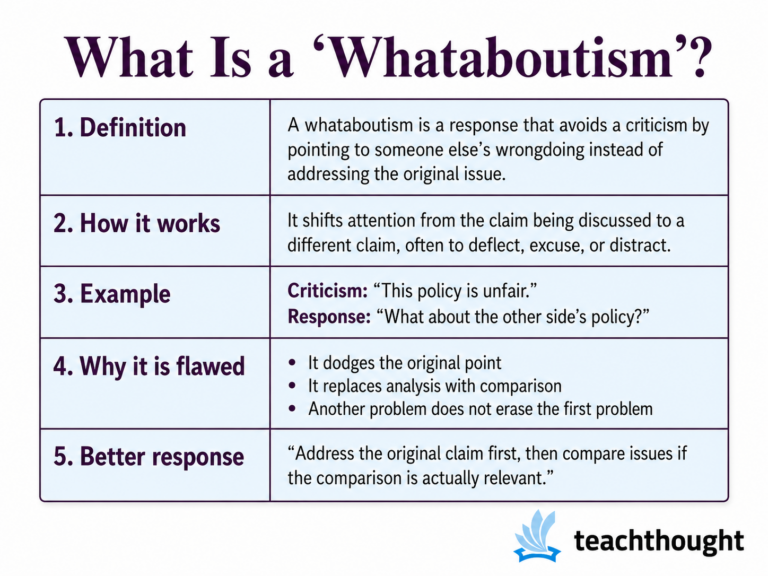
Whataboutism is a rhetorical deflection that avoids answering a claim by shifting attention to a different issue.
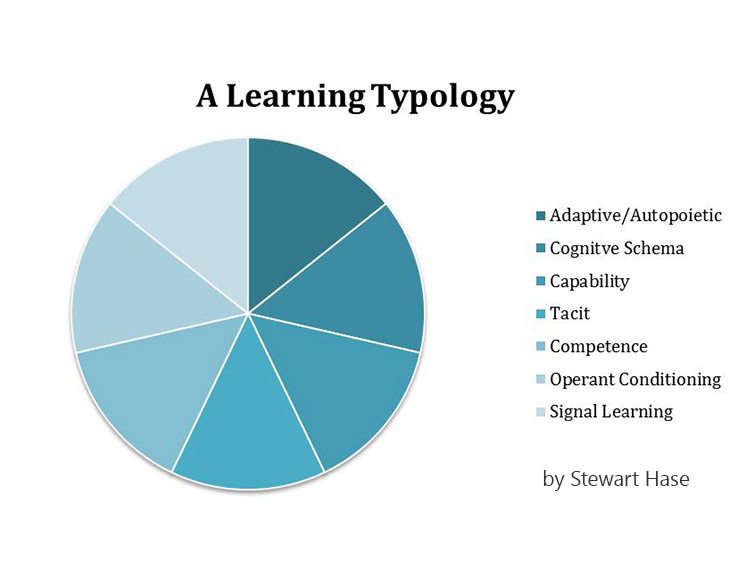
This is a typology not a taxonomy.
A one-to-one classroom is most often a classroom where each student has ongoing access to an individual digital device.

In most classrooms, we rely on visible indicators like grades, accuracy, and finished work to tell us whether learning is happening.
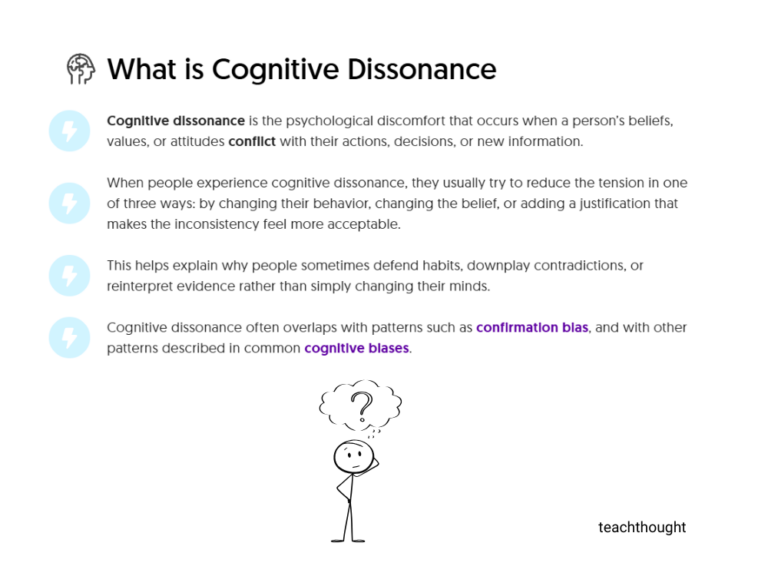
Cognitive Dissonance is the psychological discomfort that occurs when a person holds two or more contradictory beliefs, values, or attitudes at the same time.
Helping students recognize these trade-offs can strengthen their decision-making skills.
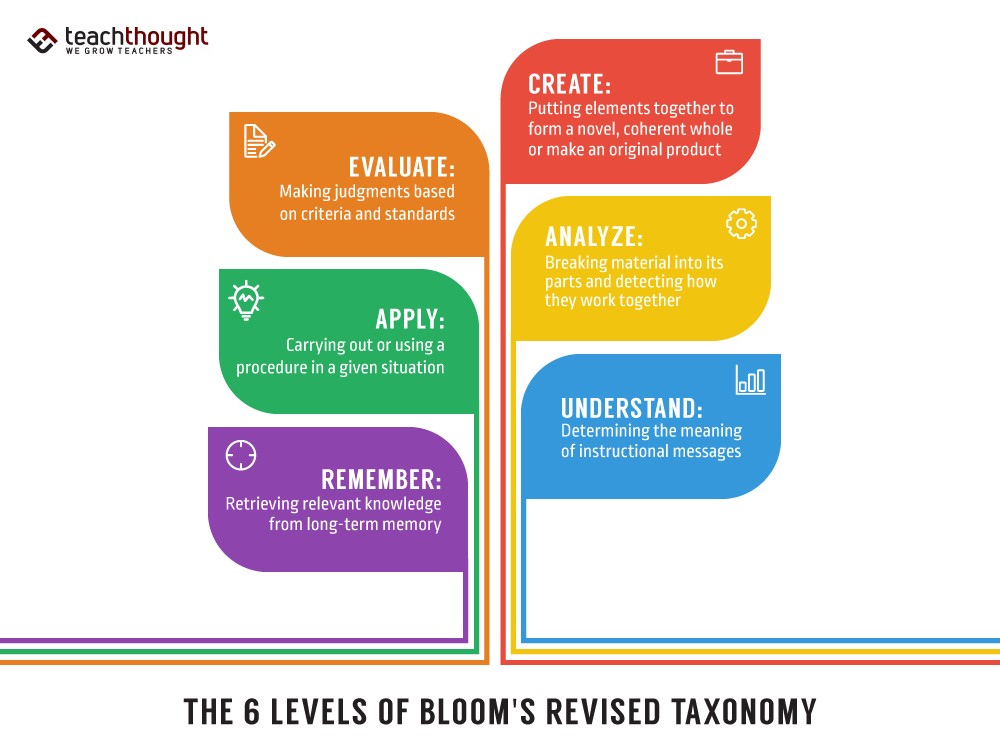
Bloom’s Revised Taxonomy is an update that, among other changes, revised the language and hierarchy of the Cognitive Process Dimension.
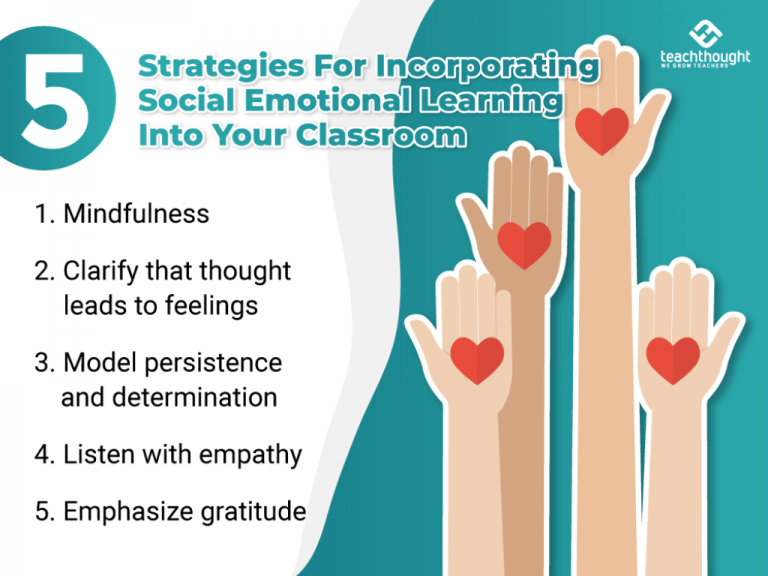
These five strategies social emotional learning strategies will not only benefit students, but can also be beneficial to teachers, too.

“What people believe about someone or thing matters more than what is true.”
If we want to prepare students, we need to integrate, combine, and cut. Less is more. What’s most important in your curriculum?
For non-native speakers or newly arrived immigrant students, sitting in a fast-paced classroom can feel incredibly isolating.
Students react to digital notifications as if they were involuntary reflexes.
These platforms are verified by ESSA standards, and widespread adoption by educators from grade 3 through higher education.

See why Brooklyn families look for summer camp programs that combine play, daily routines, teacher guidance, and early learning.