20 Teacher Tools To Create Online Assessments [Updated]
Teacher tools to create online assessments: Google Forms for quick quizzes, Socrative for live checks, and Edulastic for standards-aligned tests.

Teacher tools to create online assessments: Google Forms for quick quizzes, Socrative for live checks, and Edulastic for standards-aligned tests.
Digital portfolios are becoming increasingly popular in classrooms across the US — here are 8 educational apps to create digital portfolios.
Clear definitions and research on education technology, including history, theories, equity issues, and practical insights for educators and researchers.

If large institutions and entire governments can’t solve the challenge of responsible social media use, why should teachers be expected to?
BYOD in education (Bring Your Own Device), is caught on quickly, and while it has challenges, it also has possibility.
1. Place the cursor at the start of the line.
2. Press Tab once to indent about 0.5″.
3. Press Backspace at the start to remove the indent.
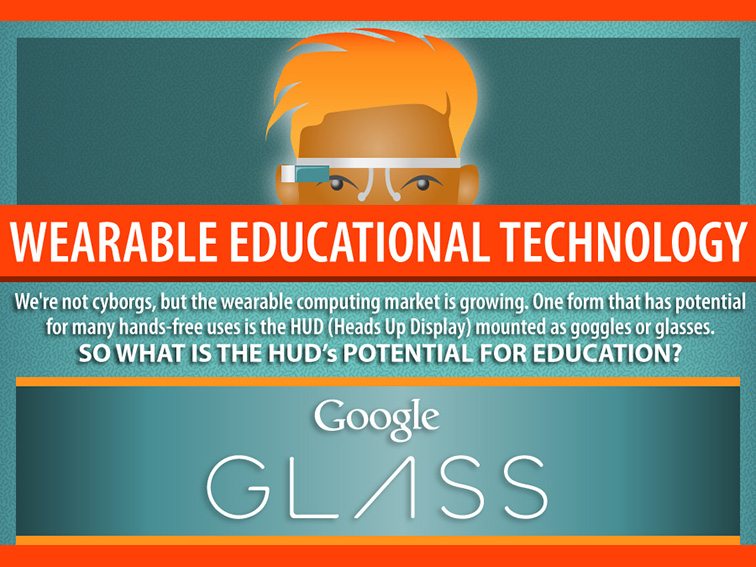
We’re not quite at the stage of being cyborgs, but wearable technology is growing, and the number and type of devices is also increasing.
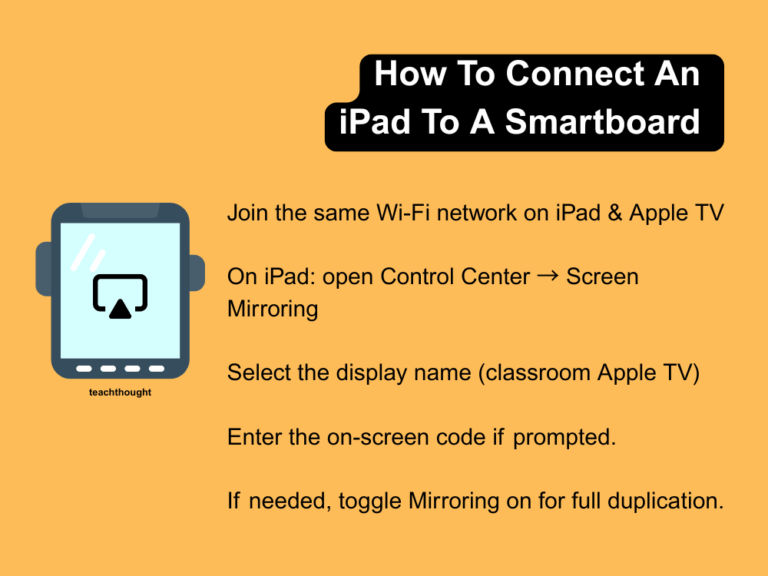
By displaying the iPad on the projector, you’ve got an easy way to broadcast your screen–or a student’s screen–to the entire class.
Nearly every major educational institution in the world is teaching with YouTube through videos featuring news, lectures, and courses.
Social media can significantly distract students, leading to procrastination and reduced focus on academic tasks.
From Khan Academy to Canva, these 25 apps make informal learning practical and engaging—ideal for Genius Hour, self-directed projects, or personal growth.
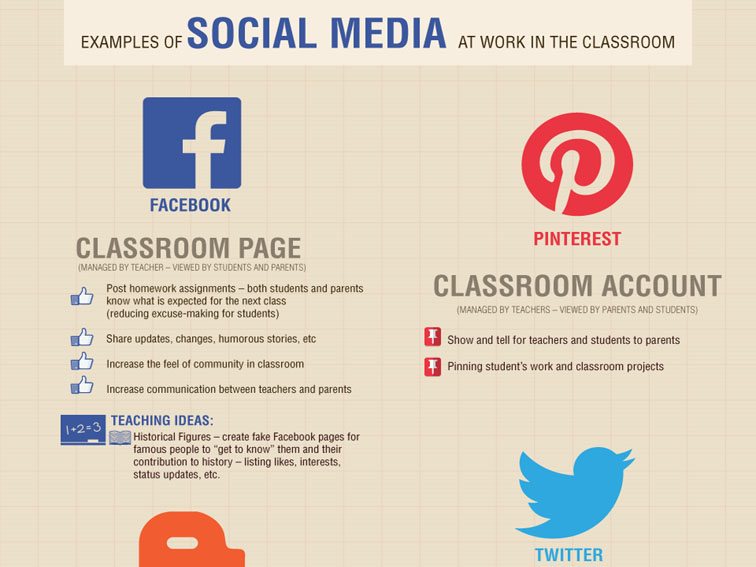
Six examples of social in the classroom include using a private Instagram account to create photo journals.
From RSS readers to social readers, this list has to have something that can improve the efficiency of what you do.
Actual access to Artificial Intelligence in the classroom only requires a web browser but what about teaching AI without technology?