What Is Maslow’s Hierarchy Of Needs?
Maslow’s Hierarchy of Needs is a theoretical framework comprising a tiered model of human needs often depicted as a pyramid.

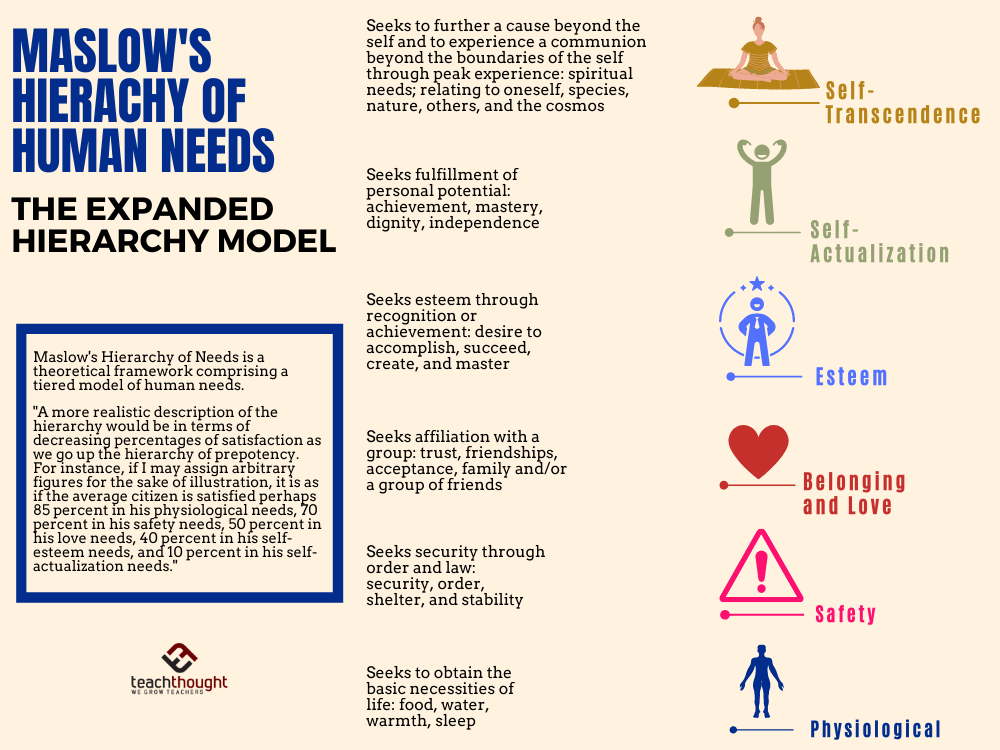
Maslow’s Hierarchy of Needs is a theoretical framework comprising a tiered model of human needs often depicted as a pyramid.
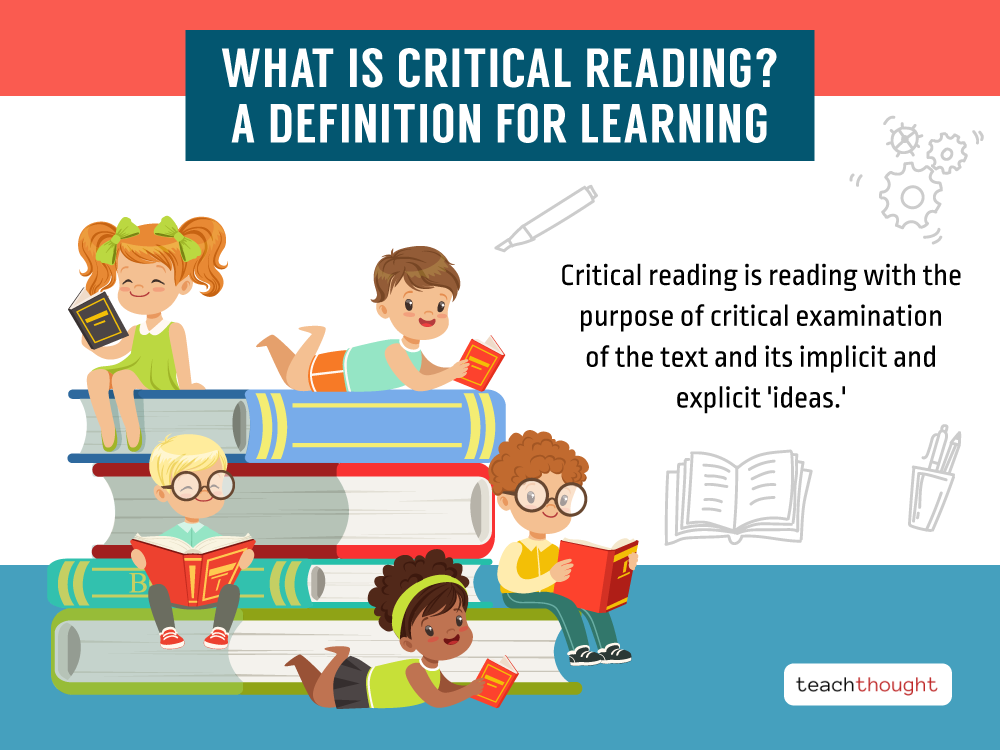
Critical reading is reading with the purpose of critical examination of the text and its implicit and explicit themes and ideas.
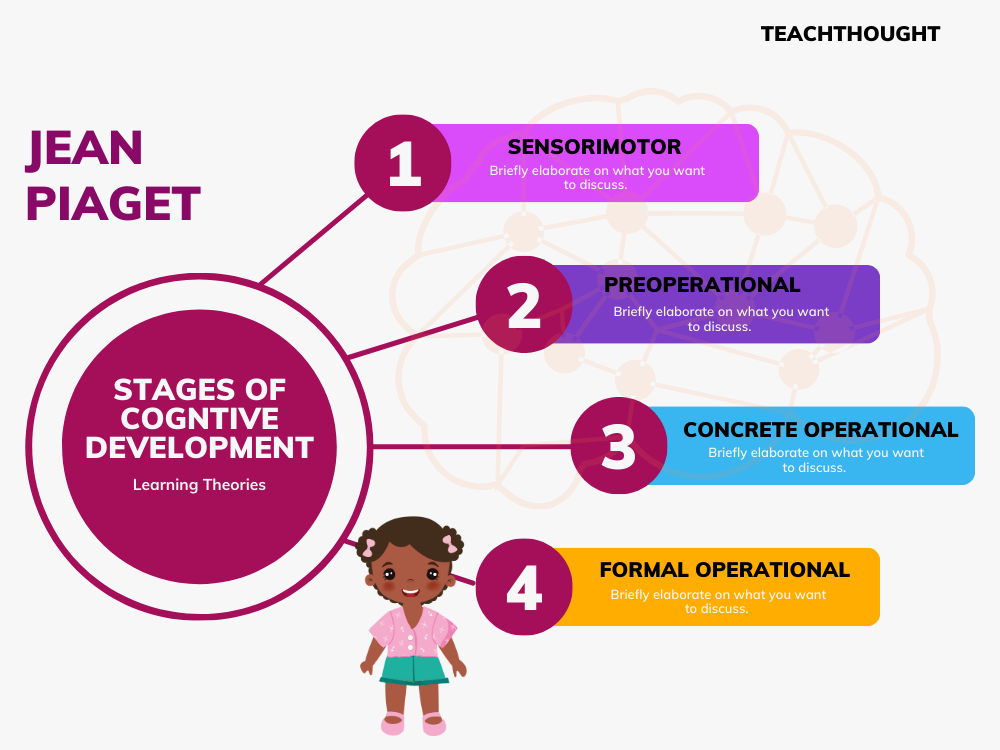
Piaget’s stages of cognitive development include the sensorimotor, preoperational, concrete operational, and formal operational stage.
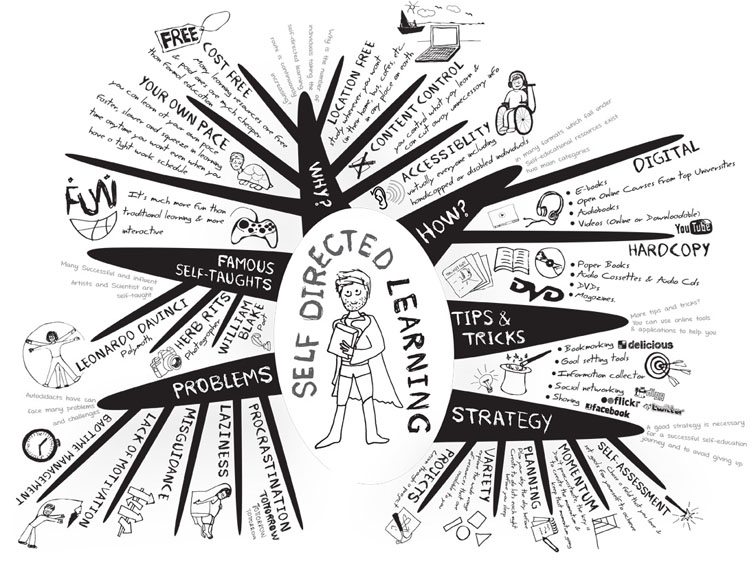
Modern access to information and learning platforms make self-directed learning more accessible–and powerful–than ever before.
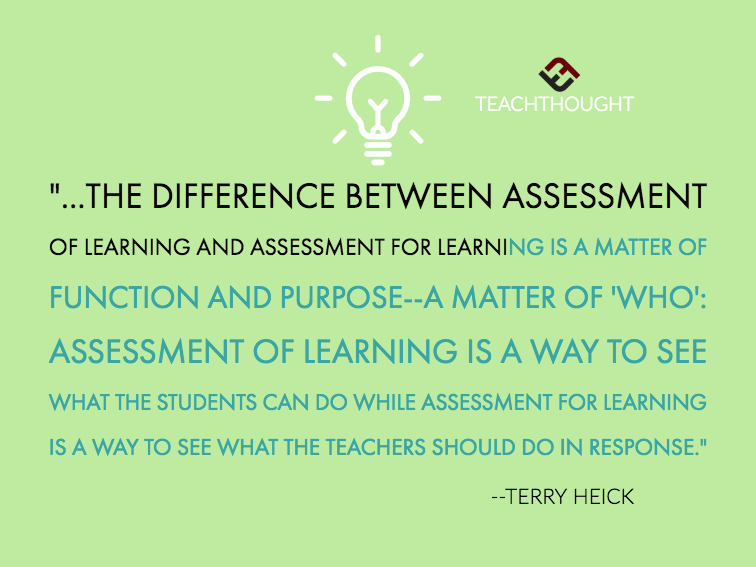
Assessment for learning is commonly referred to as formative assessment–that is, assessment designed to inform instruction.
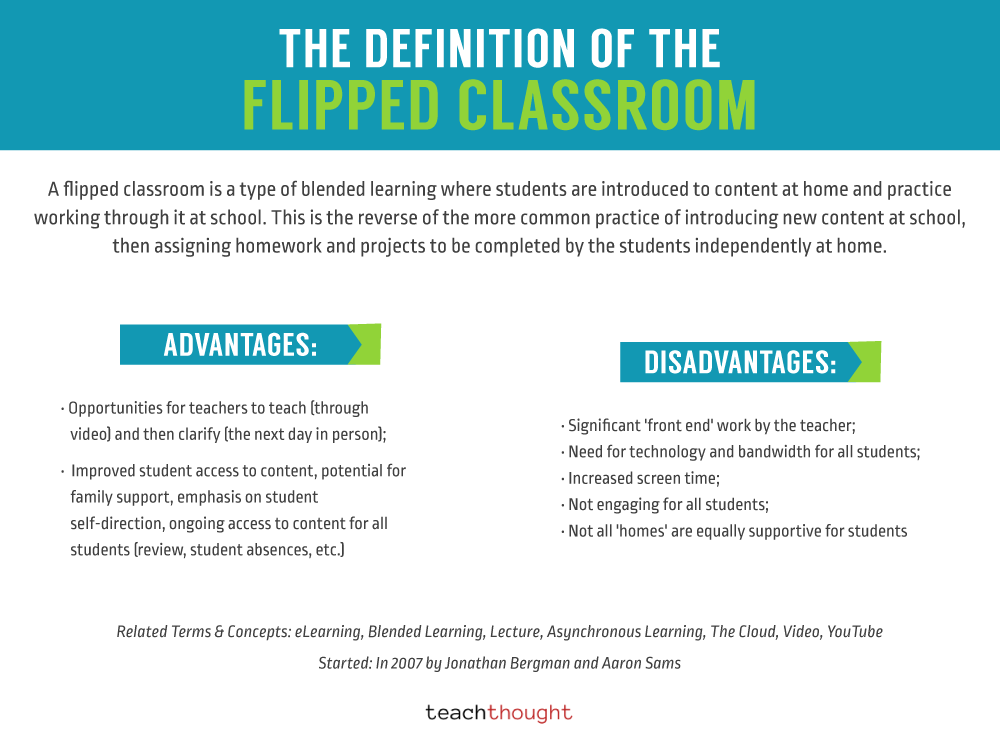
A flipped classroom has students review new material at home and use class time to practice with teacher support.
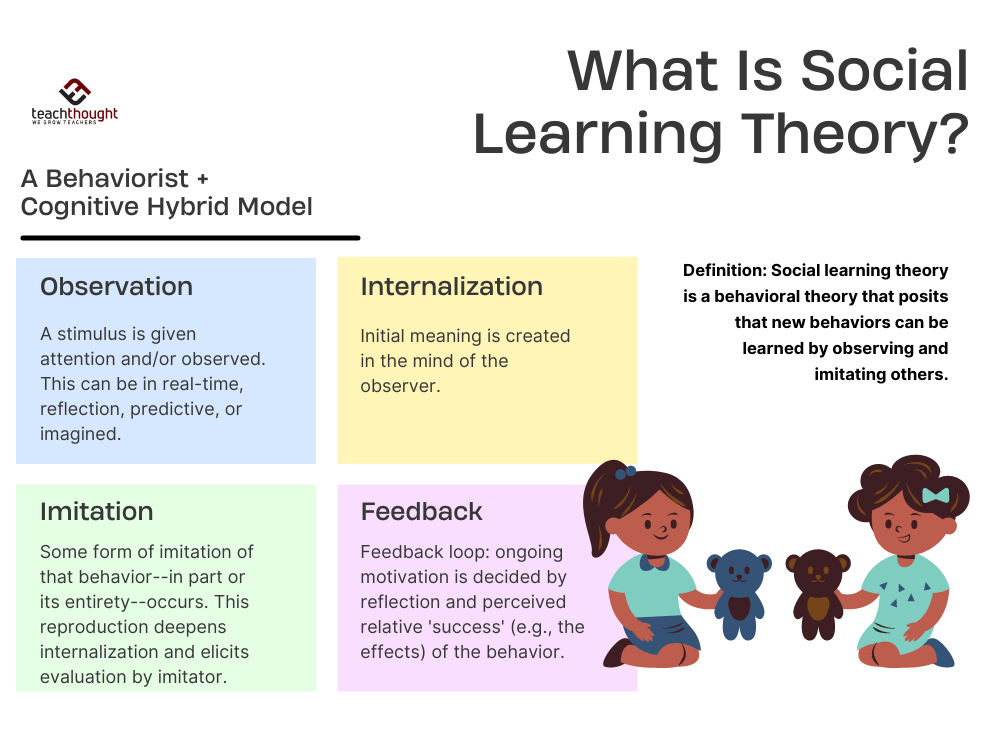
Social learning theory is a behavioral theory that posits that new behaviors can be learned by observing and imitating others.
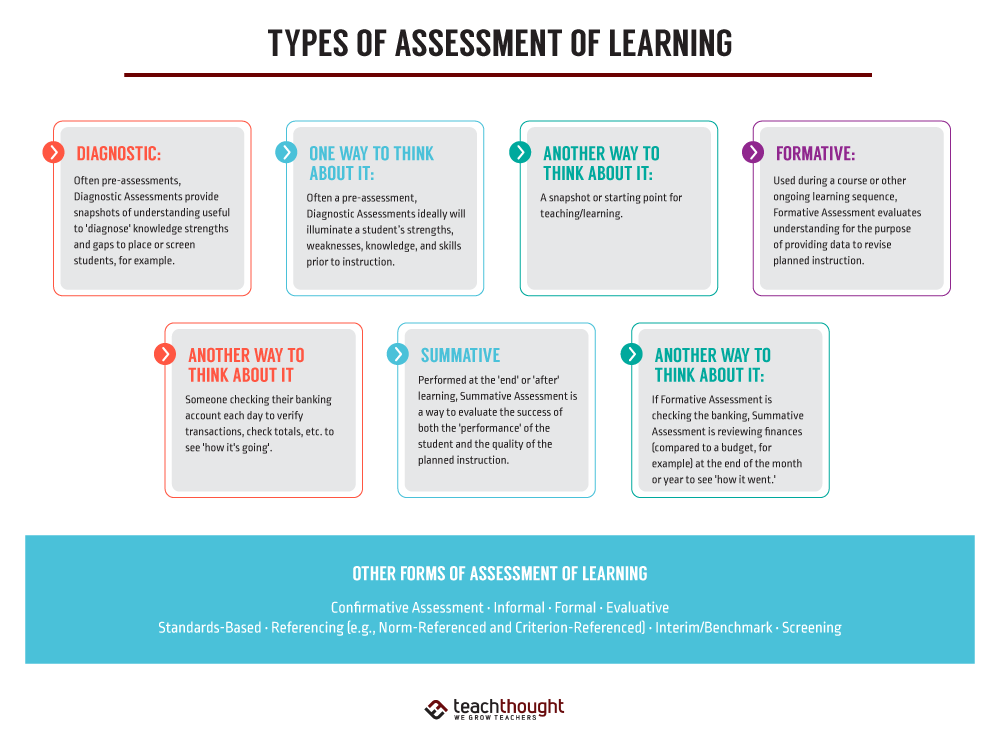
From formative and summative assessment to criterion-referenced and benchmark assessment, each type of assessment has a unique function.
When discussing equity, there are so many convenient phrases but there may be a larger view that we’re missing.
Circle practice in the classroom involves sitting in a circle and engaging in age-approriate meaningful dialogue.
A Dictionary For 21st Century Teachers: An ongoing index of emerging learning models, theories, and technology for progressive teaching.

The Internet of Things (IoT) is a term referring to the connection of smart electronic devices in our daily lives.
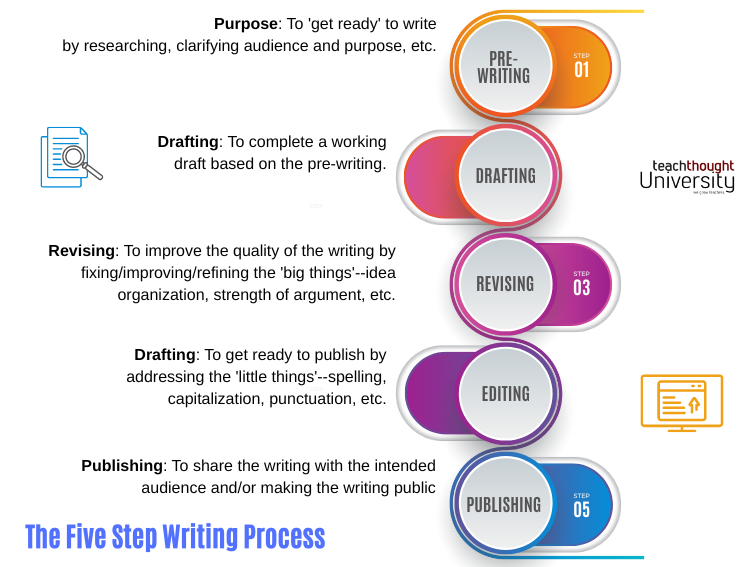
The writing process is a sequence of strategies to plan, write, and ultimately publish a polished, accurate, well-organized piece of writing.
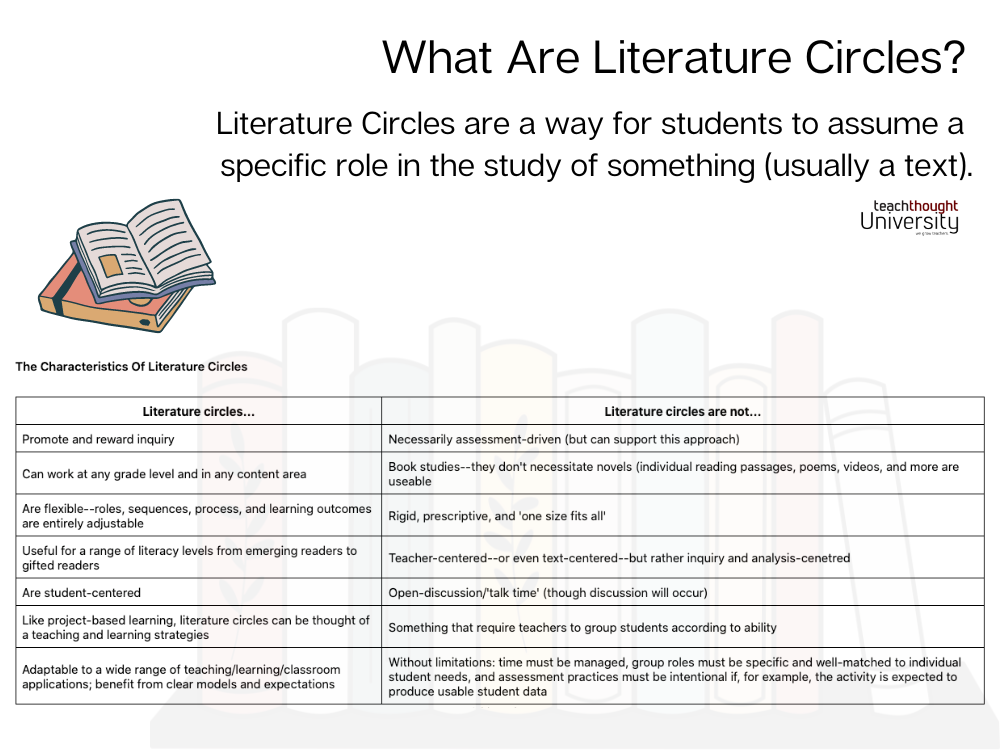
Literature Circles are a way for students to assume a specific role in the study of something (usually a text).