Why Learning Through Social Networks Is The Future
The ultimate perk of learning through social networks is creation of independent learners who can adapt to changing contexts.
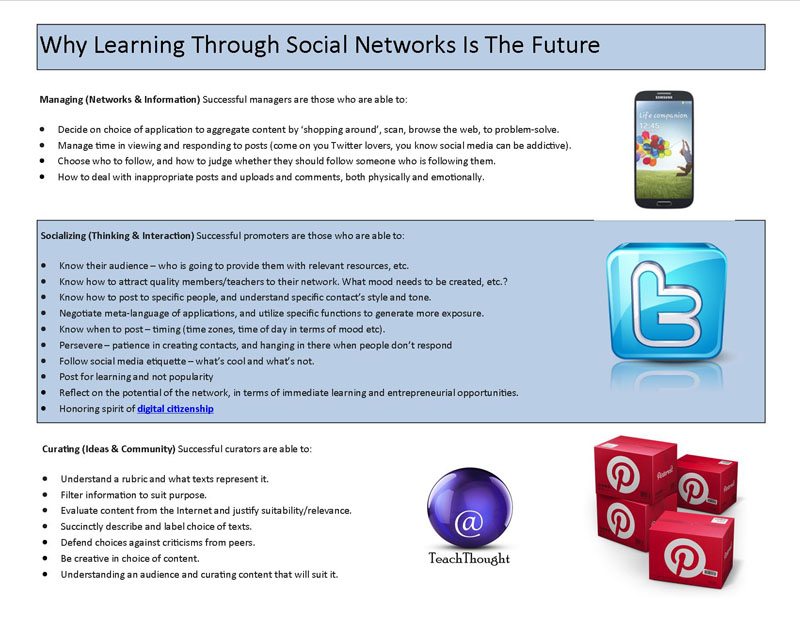
The ultimate perk of learning through social networks is creation of independent learners who can adapt to changing contexts.
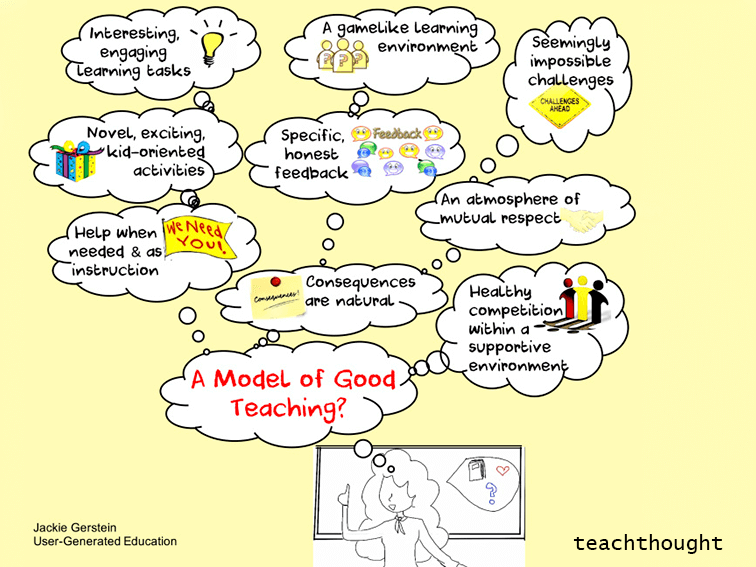
There are elements of play, leveling up, and a sense of mastery or achievement upon accomplishing each challenge.
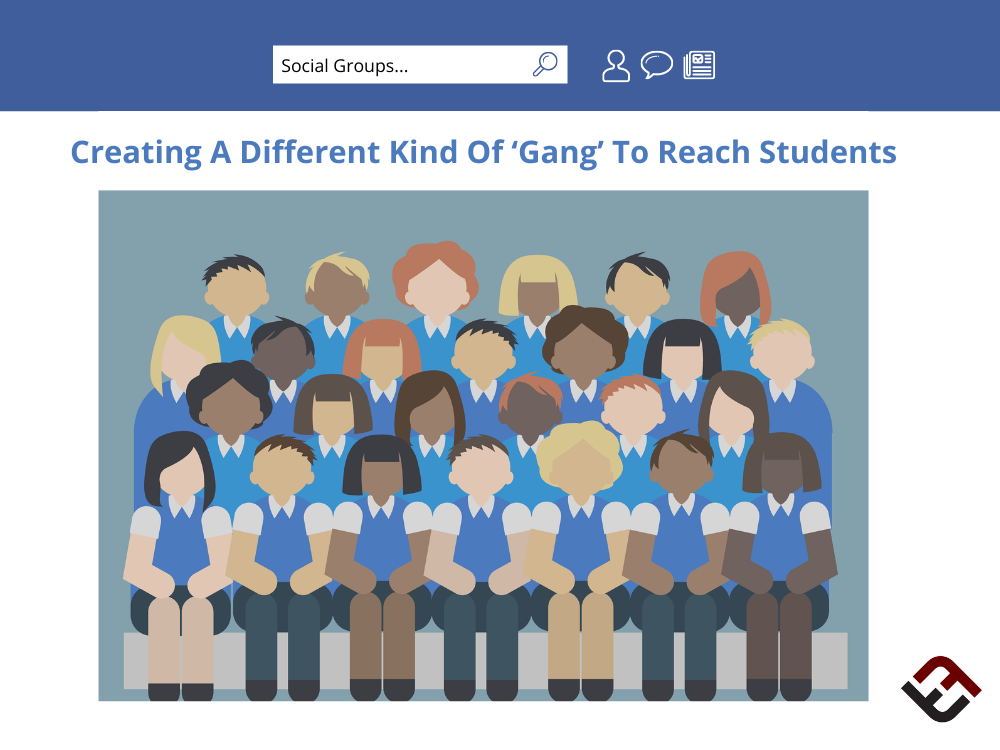
More authentic and diverse in-school social groups can engage challenging, hard-to-reach students in powerful ways.
Social-emotional learning is part of the bedrock of critical literacy: helping them care enough to change themselves.
This list of the best SEL resources for teachers and students include apps, prompts, activities, lessons, and more.
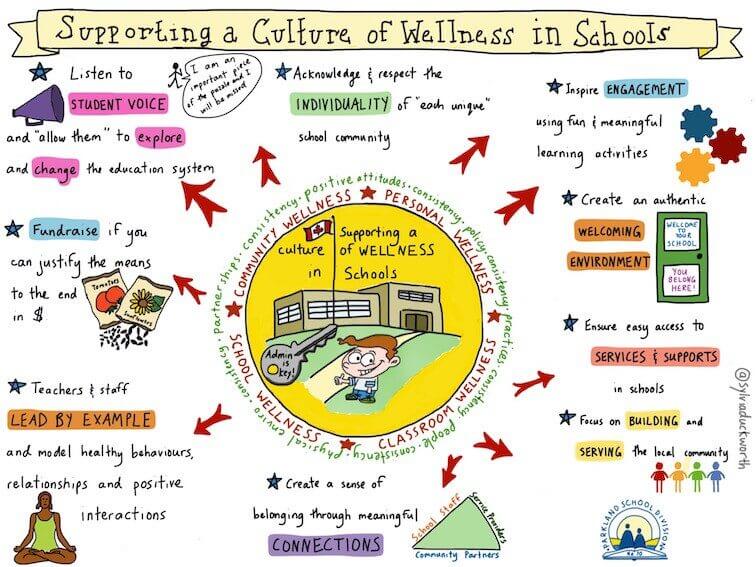
Fundraising for a local cause is an important lesson in community activism and can lead to a sense of purpose for students.
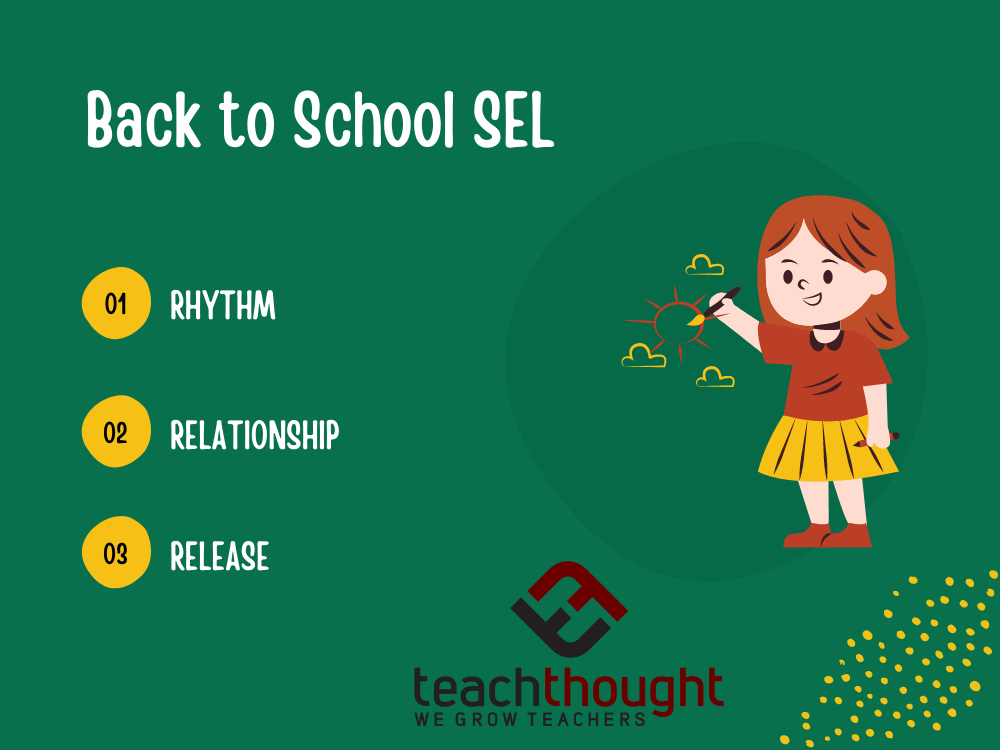
Consistent routines, rituals, and structures help children feel safe. Here are three strategies for promoting back to school SEL.
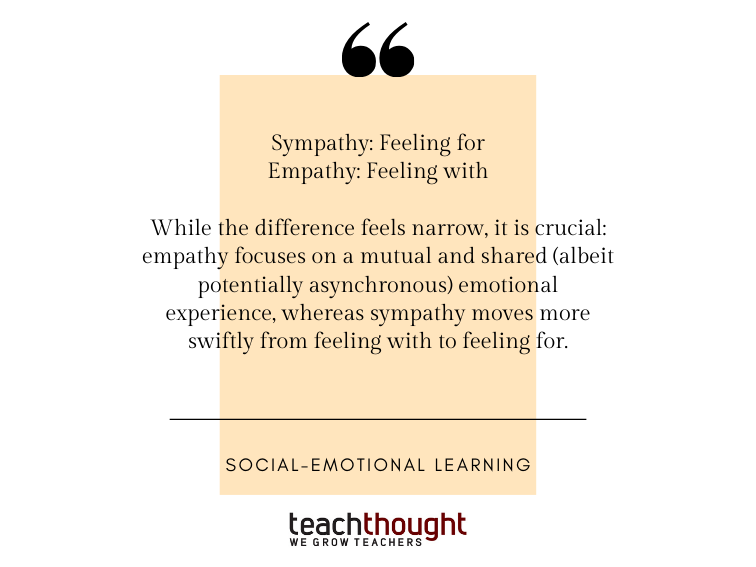
Empathy focuses on a mutual and shared emotional experience, whereas sympathy moves more swiftly from feeling with to feeling for.
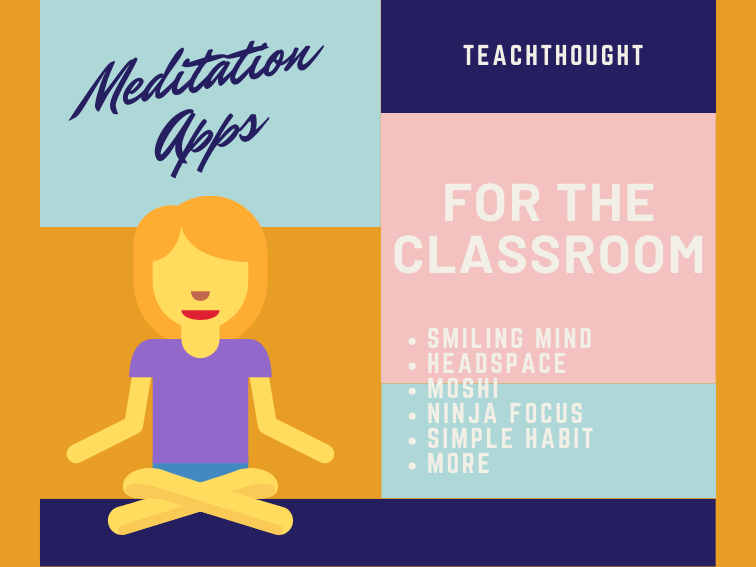
Where do you begin teaching meditation when you may not be familiar with the practice yourself? These meditation apps for children may help.
Researchers surveyed 21,678 American high school students and found that nearly 75% of the students’ emotions about school were negative.
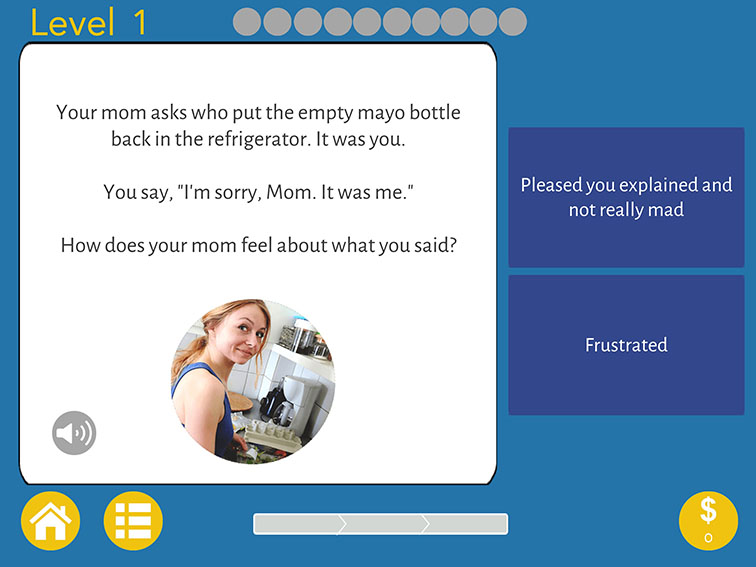
The Say It Or Not app helps students 4+ to practice social skills, like what is ‘appropriate’ or not in certain social situations.
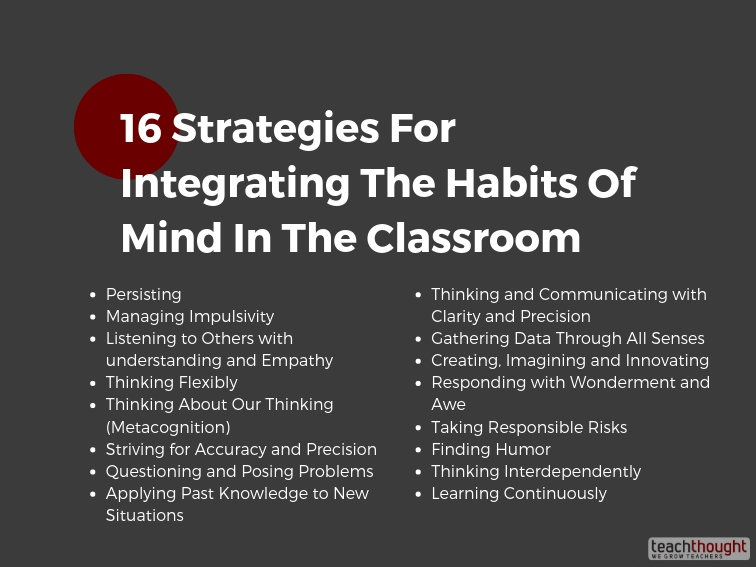
How do you use the Habits of Mind in the classroom? Start with modeling, RAFT assignments, and metacognition.
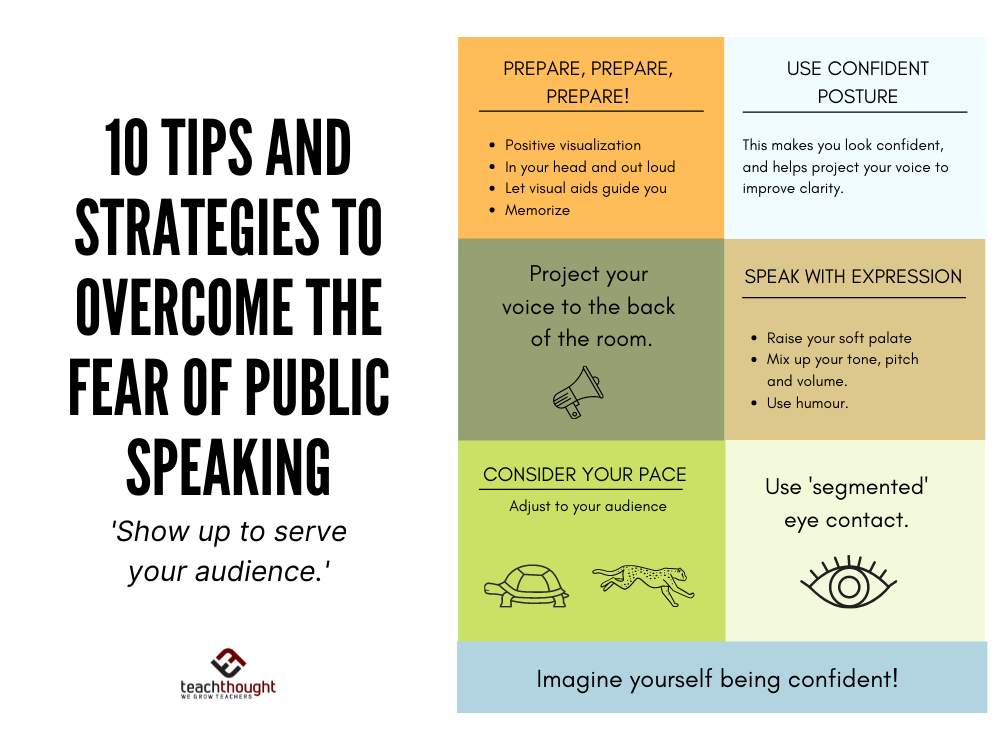
Public speaking is about telling some kind of ‘story.’ Never tell a story without making a point, never make a point without a story.
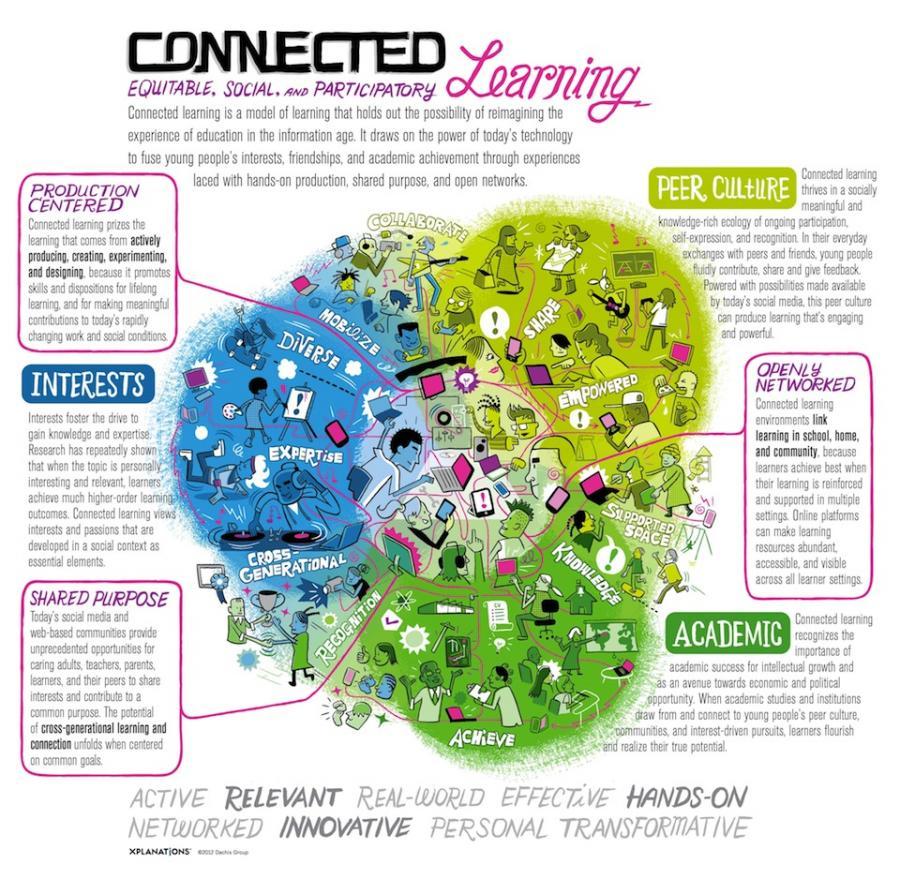
Connected Learning is an answer to three key shifts as society evolves to a 21st century networked society.